

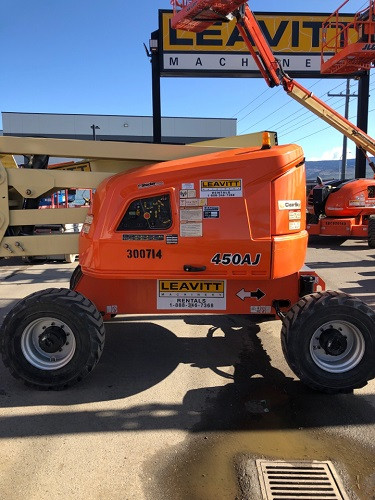


Rough Terrain Lift Truck Training
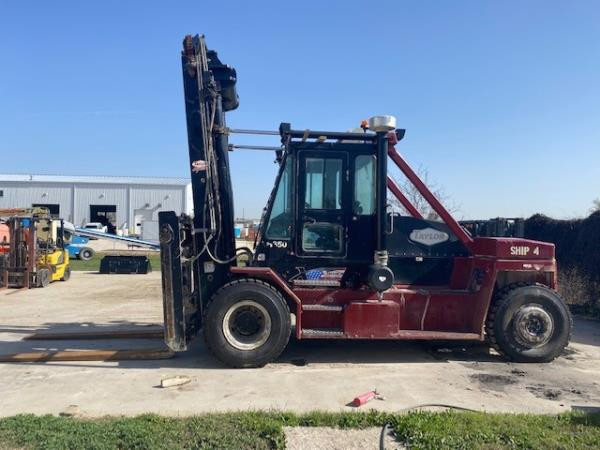
Class VII or rough terrain lift trucks are normally used in logging and forestry projects and are common on construction sites. They are the popular alternative for outdoor conditions which depend on a vehicle to run on uneven ground. The Occupational Safety and Health Administration or OSHA states that drivers must receive classroom style training or lecture in addition to supervised driving training. Periodic refresher training programs are taken by the operators in order to keep them in top form.
Classroom or Lecture Training
When learning to drive a rough terrain forklift, the first step is taking lecture or classroom type of instruction. This training consists of information regarding the machine that the operator will be using. Specifics such as lifting capacities and how to refuel the forklift are talked about. Safety tips are really essential to understand prior to operation. OSHA does not place a minimum time requirement on classroom training, although, they do state that both oral and written exams could be part of the training process.
Supervised Driving
The next step in rough terrain lift truck training involves supervised driving, similar to when somebody learns to drive a passenger car. The driver has to learn how to operate the particular type of rough terrain forklift that they would operate in the workplace. In addition, they should practice operating this lift truck in an environment which closely replicates the situations wherein they would be driving. Several of the other situations covered in training include dealing with structures nearby, vehicle traffic and pedestrians.
Certification
After a supervisor determines that an operator is capable of safely driving a rough terrain lift truck, the supervisor can certify the driver for that workplace. The operator's certification is kept in the operator's personnel file. If the training is to be taken in a 3rd party training facility, the trainer hands the driver the certification. Because work environments vary, the certifications are not transferable; therefore, operators must be re-certified again in the new environment. Typically, training passes faster after the operator has been certified the first time.
There are a few very vital safety problems associated with operating a forklift. Operators have to stay alert and able to drive with the utmost care and attention. Practicing good habits could actually save lives at the end of the day. As well, much less damage to the machinery itself, the products or the work environment happens when operators are working at the top of their game.