
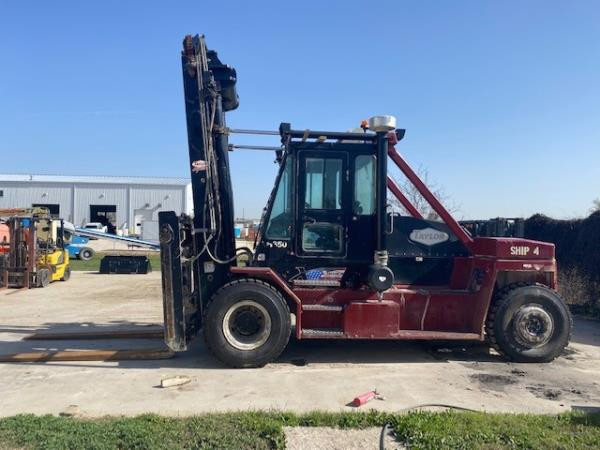


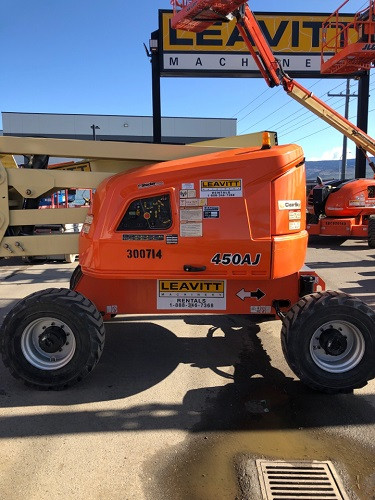


There can be a range of different mechanisms that raise or lower lifts on a forklift: scissors lifts, rack and pinion lifts, telescoping lifts, screw lifts and articulated lifts. Scissor lifts utilize crisscrossed folding supports with a screw system used to draw the members together. Rack and pinion lifts utilize a pinion, which is a small drive gear, to drive a straight-toothed rack to lift the load. The telescoping lift system is made with many parts that retract and extend into and out of each other to attain lifting action. Screw lifts use threads to raise the lift. Articulated lifts utilize a system involving many parts that unfold or articulate. An articulated lift example is the "cherry picker."
Lift truck Material Handling
In material handling processes, you'll notice numerous reasons to keep up with changes. Material handling processes and the tools could be used to deal with increased geographical coverage, additional SKUs, and the need to lower inventories. Tools which are well ahead of the technological curve could help productivity maximization and increase effectiveness.
Lift truck Battery & Charging Technology
The newest innovations on electric lift trucks have yielded longer run-times and higher capacities than ever before, which makes the decision to convert from the traditional internal combustion forklift over to the improved electric models. Charger and battery combinations are offering more power for a lot longer periods than older systems could achieve. Improvements in both battery and charger technologies are not just making electric forklifts more productive but they are making it possible to have warehouse operations that are more environmentally friendly.
The electric powered machines utilize Lithium-Ion Batteries or Li-ion batteries. The Li-ion batteries show remarkable promise, although this technology is still quite new. They are not just smaller but can hold up to six times the charge of traditional lead acid batteries. Li-ion batteries have really low maintenance requirements and could maximize opportunity charging through zero memory technology.